The Dawnkeepers
I directed an original animated short while developing a repeatable AI-assisted production workflow.
- Story
- Three young guardians answer their mentor Sensei Hoshin’s warning and defend a harbour city from an advancing Black Mist.
- My role
- Story, visual direction, character approval, shot design, generation review, and editing.
- AI’s role
- Generate image and motion material from the direction and references I supplied.
From concept to animation
Production sequence. In order: Story and visual world, then Character lock, then Timed still animatic, then Motion generation, then Edit and sound.
- Story and visual world
- Character lock
- Timed still animatic
- Motion generation
- Edit and sound
| Tool or model | Contribution |
|---|---|
| OpenAI image generation | Visual development, character sheets, keyframes, and still corrections. |
| Luma / Luma Agent | Motion generation and model testing, including Seedance 2.0 and Ray 3.2. |
| Seedance 2.5 Edit through Luma | Targeted hairstyle correction while preserving the selected performance. |
| ElevenLabs | Soundtrack generation. |
| DaVinci Resolve | Animatic, clip selection, pacing, sound, and final edit. |
Directing the animation
- Animation craft: Readable staging, anticipation, effort, impact, and follow-through.
- Character through movement: Nami’s circular staff arcs; Aki’s sharp directional attacks; Tsubame’s unexpected angles and precise release timing.
- Pacing contrast: Hoshin’s restraint and the bell’s weight → guardians accelerating → calm dawn.
Making that direction work with Gen AI
- Start-frame control: Establish identity, composition, pose, and weapon placement in the image; motion instructions could not reliably repair a contradictory setup.
- Start before the action: Empty roof before Tsubame lands; no arrow before it enters the target shot.
- Make scale and depth visible: A “distant” target must look distant in the frame.
- Restate context for every shot: References, environment, lighting, weapons, and screen direction; don’t expect continuity from previous generations.
- Lock identity, simplify detail: Use approved sheets and written rules to judge consistency.
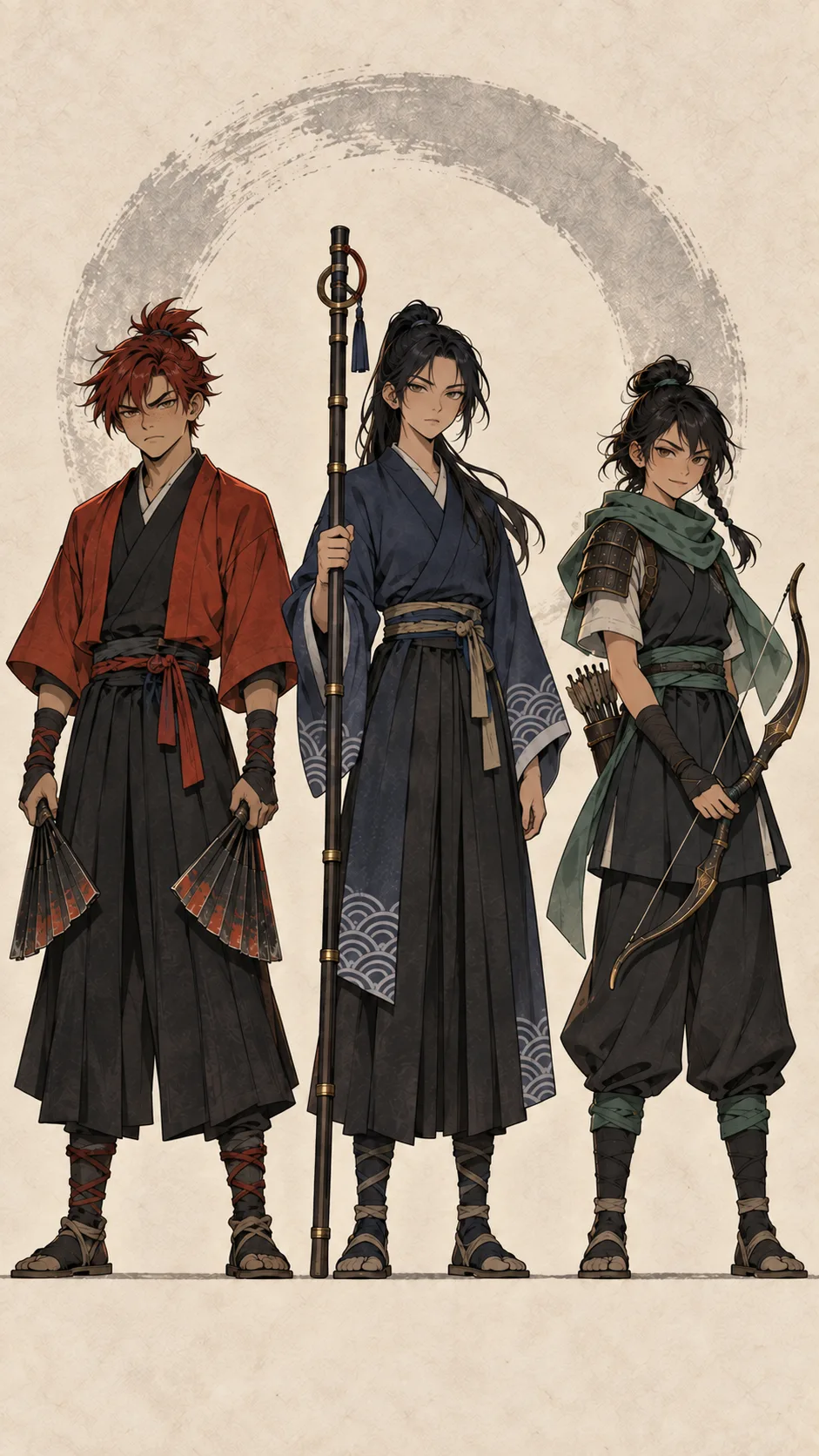
Approved lineup
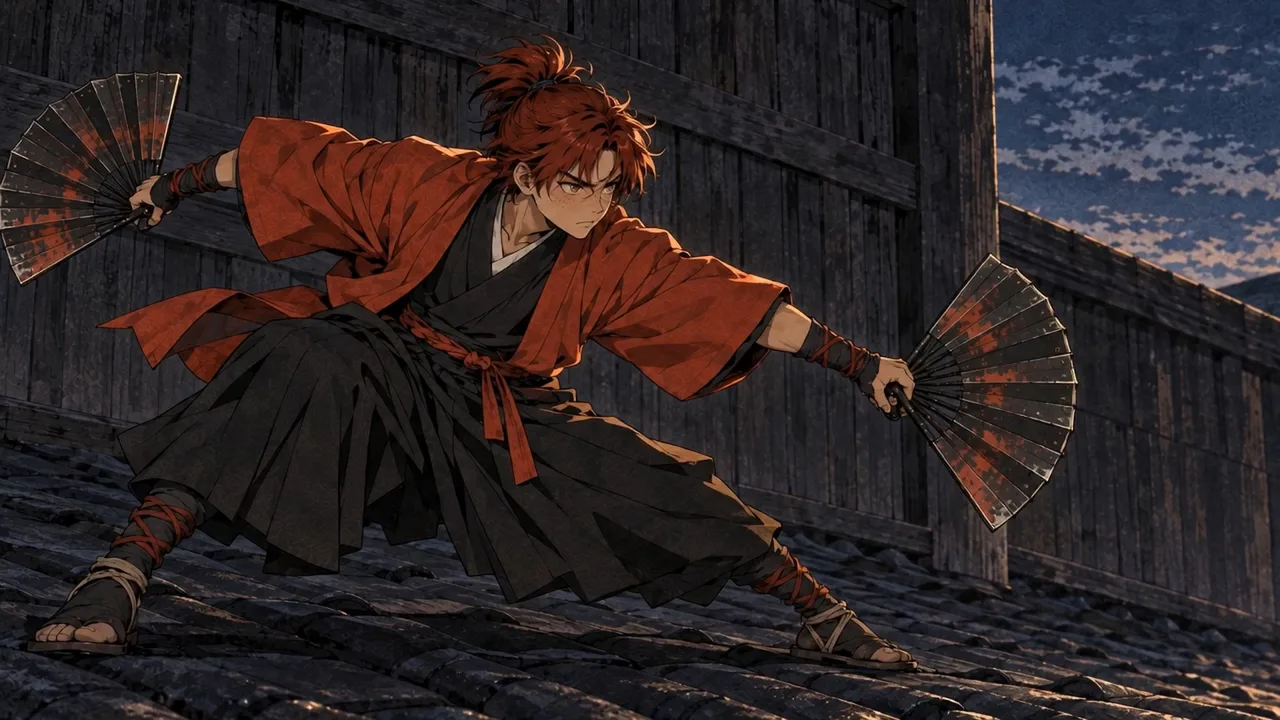
Aki · Paired fans
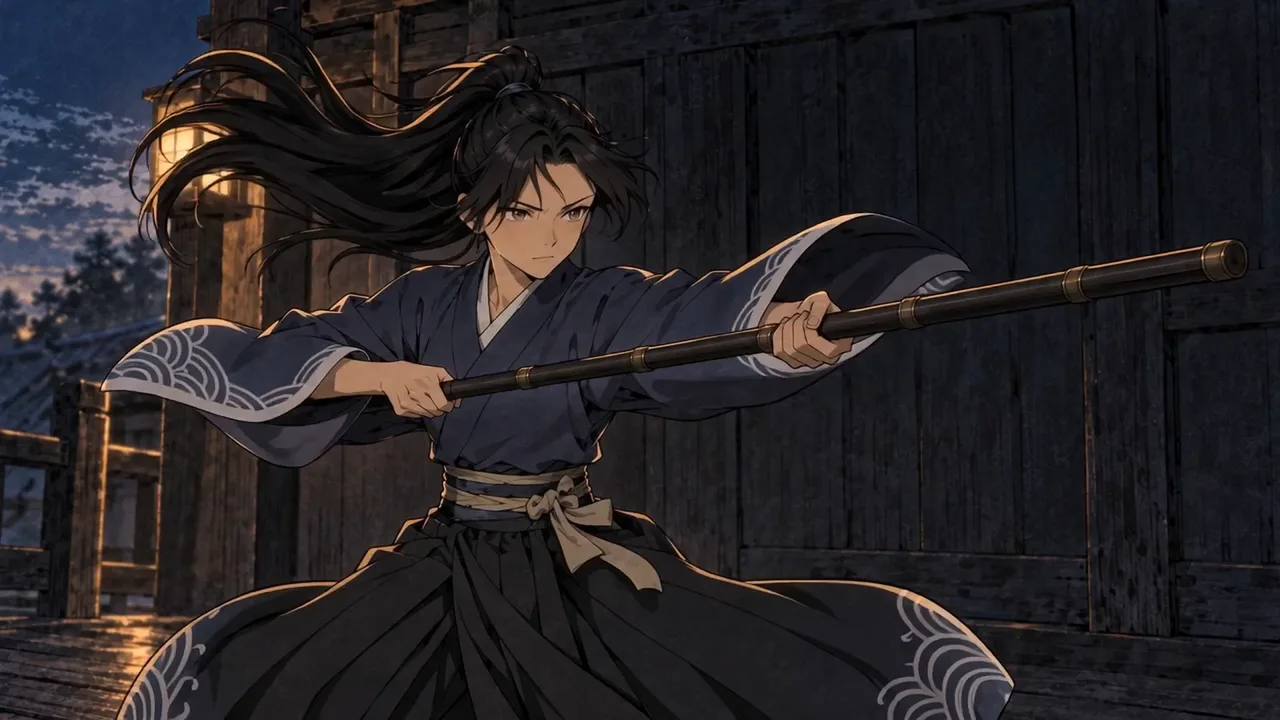
Nami · Staff guard
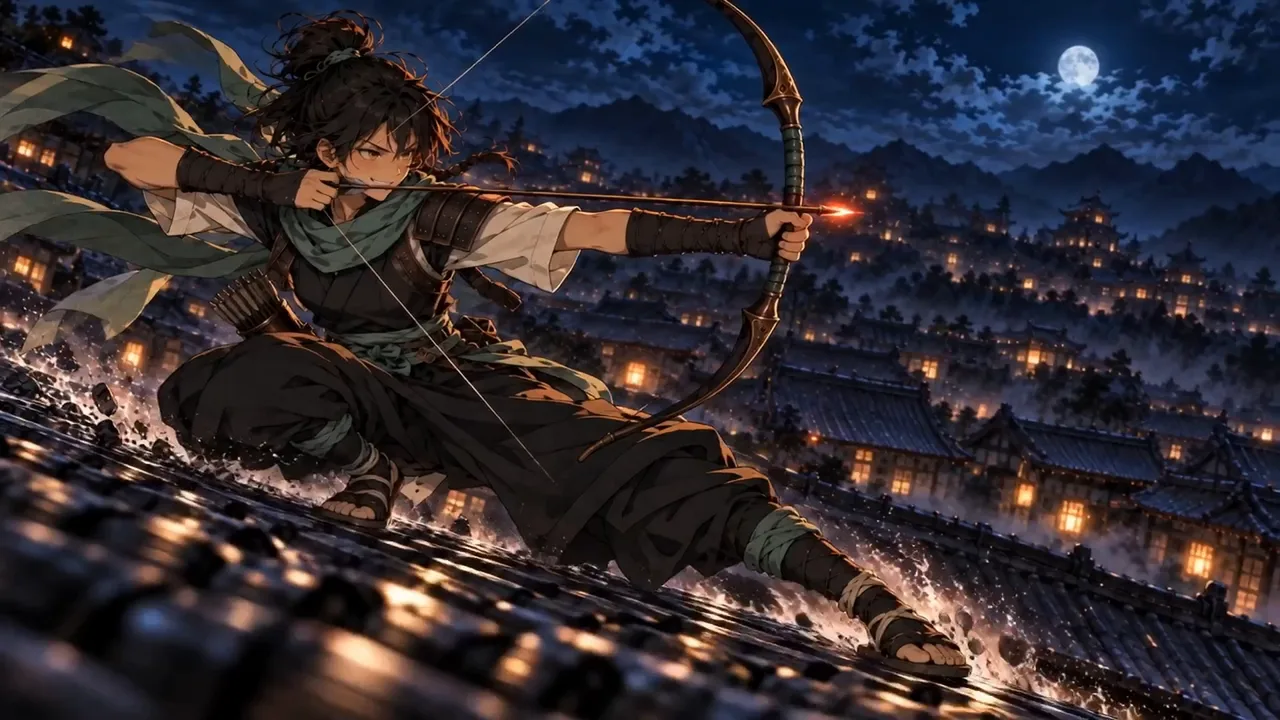
Tsubame · Bow aim
Direct the motion explicitly
- Describe behaviour: Stable footwork for Nami; a restrained smile, precise eye-line, and controlled bow timing for Tsubame; a small recognition beat for Hoshin.
- Structure the instructions: Main action, performance, supporting motion, camera, timing, and what to preserve or avoid, expressed in descriptive natural language.
- Bound the action: One principal event per generation. Separate effort and impact when needed.
Let the edit supply continuity
- Connect independent clips: Screen direction, cuts, and sound made the rooftop montage feel coordinated.
- Choose useful ranges: The edit determined pacing, rather than the generated clip length.
- Imply what needn’t be shown: Tsubame’s release cuts to ensemble action, implying the arrow impact.
- Tsubame lands
- Nami and Aki are already running
- Tsubame takes the same route
Preserve the performance when correcting a detail
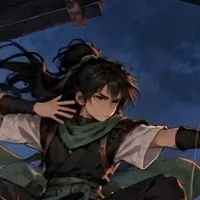
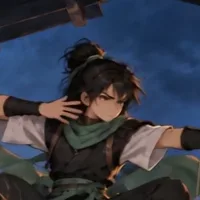
- Keep the performance: Seedance 2.5 Edit corrected Tsubame’s bun and side braid while retaining the selected choreography. I checked the correction against the source before choosing it.
Source motion
Seedance 2.5 Edit
Hairstyle