Avatars 2.0
I led the hair category from an evolving visual direction to a cross-platform launch.
- ~100
- Launch hairstyles
- Approximate number of hairstyles in the new launch catalog.
- ~90%
- Legacy-choice coverage
- Legacy hairstyle choices mapped to the same or a meaningfully comparable new option. Not assets recreated one-to-one.
Platform categoriesMobile · Desktop · VR
- Mobile and desktop
- Instagram, Facebook, Messenger, and the Meta Horizon app.
- VR
- Meta Horizon Worlds and Quest Home.
- Challenge
- Preserve recognizable hair choices through an automatic style migration.
- My role
- Connect visual direction, production systems, technical partners, and product decisions.
- Outcome
- Launch a more representative category with a clearer system for continued delivery.
Role and project progression
Role and project progression. In order: September 2022: Joined as Character Artist, then Late 2023: Project lead for hair delivery, then Summer 2024: Cross-platform launch, then Q4 2024: Post-launch category strategy, then December 2025: Priorities shift toward agentic AI.
- September 2022Joined as Character Artist
- Late 2023Project lead for hair delivery
- Summer 2024Cross-platform launch
- Q4 2024Post-launch category strategy
- December 2025Priorities shift toward agentic AI
Launch work runs from September 2022 to the summer 2024 launch. After launch runs from summer 2024 to December 2025.
Chapter one
Launch work
September 2022 – Summer 2024
Establishing the visual language
I joined while the visual language and system were still taking shape. Working with the Art Director, I built the creative and technical understanding needed to guide the hair category toward launch.

The goal was continuity, not one-to-one duplication.
Existing avatars would move automatically into the new style. The important question was whether people would still have a recognizable hair choice.
Representation coverage decision. In order: Migration concern, then Catalog evidence, then Launch status, then Priority decision, then Outcome: ~100 launch styles · ~90% coverage.
- Migration concernPreserve recognizable choices
- Catalog evidenceMap each legacy choice to a suitable new option
- Launch status~90 styles ready one month before launch
- Priority decisionSelect 10 styles for the most important gaps
- Outcome~100 launch styles · ~90% coverage
My ownership
- Led the legacy-to-new mapping and concept-team decisions.
- Selected the final ten priority styles.
- Worked with the Product Manager to align leadership around the launch plan.
Why mapping changed the decision
Some legacy styles were similar enough to share a strong new equivalent. Mapping those relationships let the team focus on meaningful representation gaps, improve appeal, and protect quality instead of reproducing every overlap literally.
Designing for range and recognition
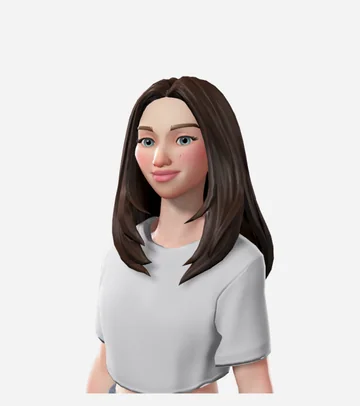
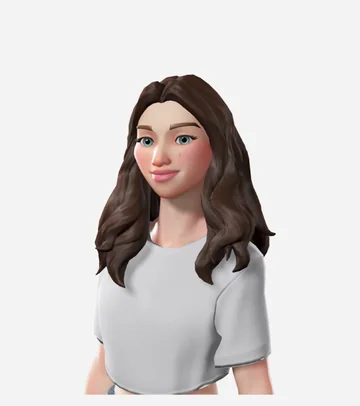
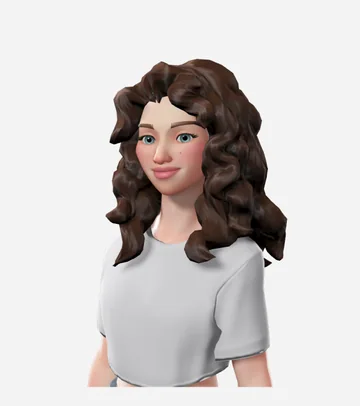
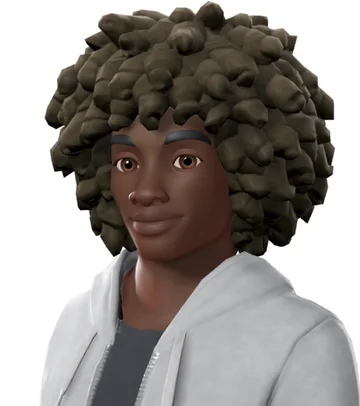
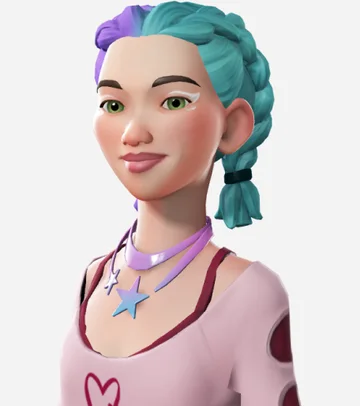
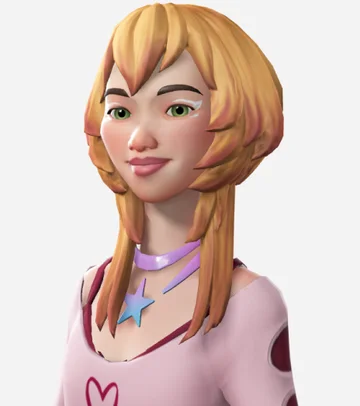
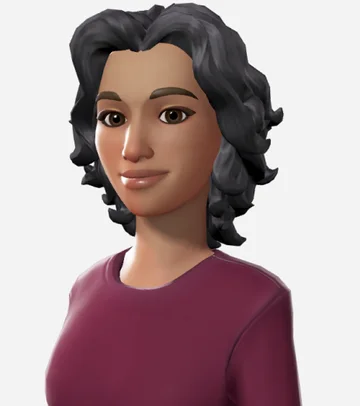
The category had to work across different hair types, styles, avatar presentations, headwear, and color choices.
Straight
Wavy
Curly
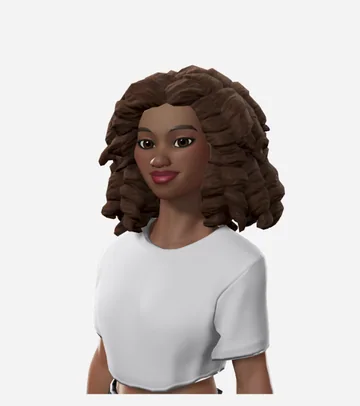
Coily
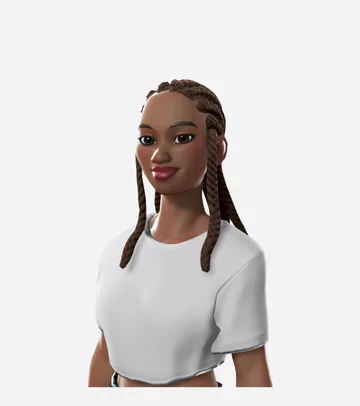
Braids
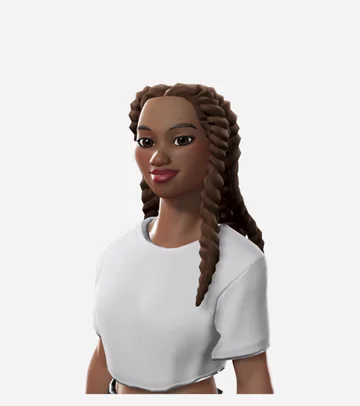
Twists
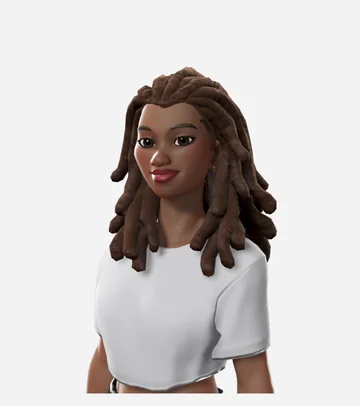
Locs
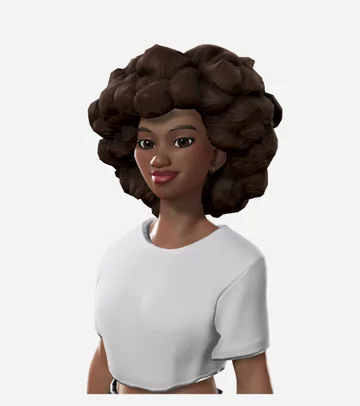
Natural
Turning visual direction into a delivery system
A hairstyle had to look right, behave reliably, and hold up across the complete avatar experience.
Creative intent to launch-ready experience. In order: Visual direction, then Asset requirements, then Technical validation, then Artists + vendors, then Review ownership, then In-product validation, then Launch-ready experience.
- Visual direction
- Asset requirementsTopology, textures, deformation
- Technical validationRigging, animation, realtime performance
- Artists + vendors
- Review ownershipQuality bar, exceptions, escalation
- In-product validationShading, rendering, consistency across surfaces
- Launch-ready experience
Leadership evidence
- Distributed review ownership so quality could scale.
- Created clear paths for decisions, exceptions, and escalation.
- Evaluated quality across the complete avatar experience, not only individual assets.
How the launch system worked
- I worked with rigging and animation on requirements for different hair types.
- I worked with technical art and engineering as the in-house engine evolved, and identified opportunities to automate parts of a manual process.
- The core launch group included 11 creative, technical, and production collaborators, plus external vendor support.
- Senior and junior artists shared production knowledge, and junior artists took on responsibility for reviewing incoming vendor work.
- Established review paths handled expected work; new visual ideas and exceptions received focused Art Director attention.
I did not need to own every specialist system. I needed to understand enough of it to make good decisions and keep the work moving.
The 11-person figure describes the core group Sahana worked across. It does not imply direct people management of every discipline.
Launch result
The new hair category launched with approximately 100 styles and approximately 90% legacy-choice coverage across mobile, desktop, and VR.
Chapter two
After launch
Extending delivery and shaping the category’s future direction.
Summer 2024 – December 2025
Expanded responsibility and sustained delivery
- Continued leading category quality and delivery through December 2025.
- Nearly 100 additional assets were delivered over the following year.
- Directed two additional concept artists on future category possibilities.
- Worked with Product on paid-category possibilities and potential asset tiers.
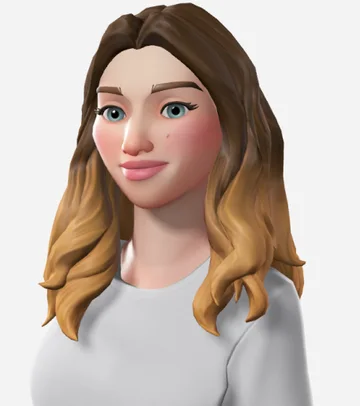
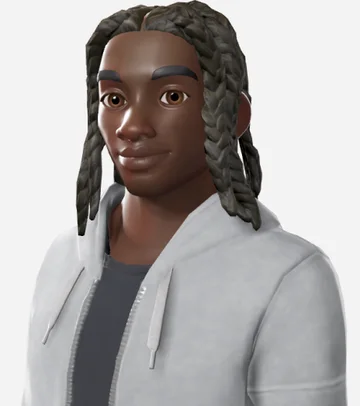
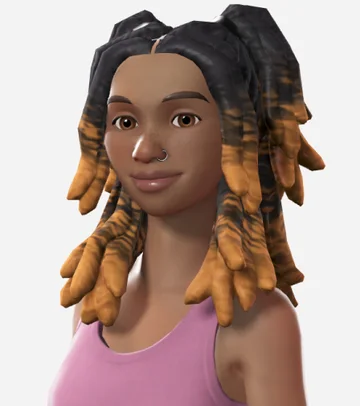
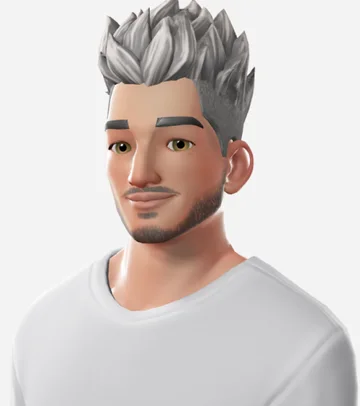
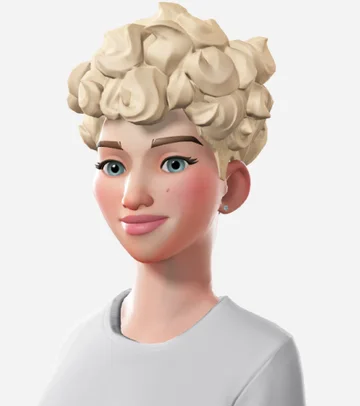
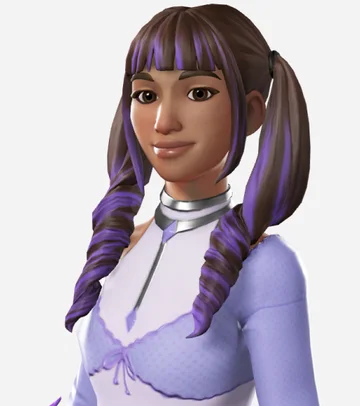
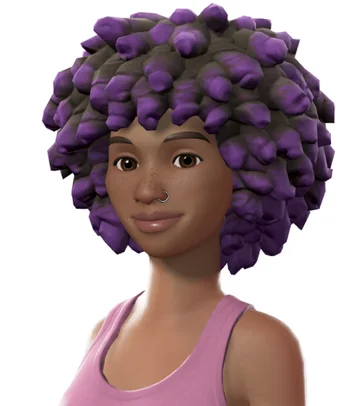
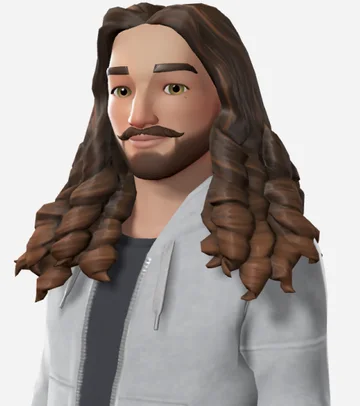
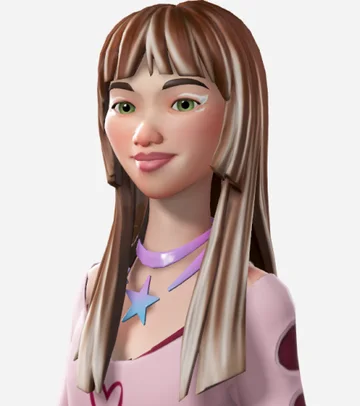
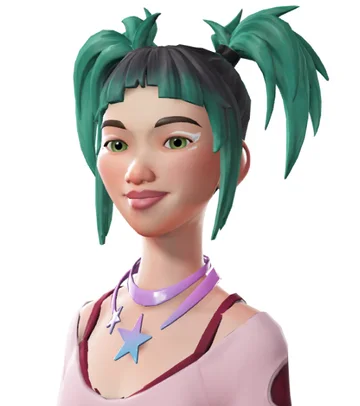
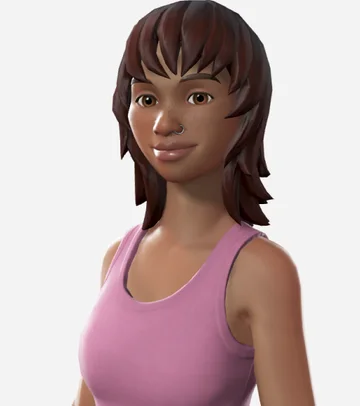
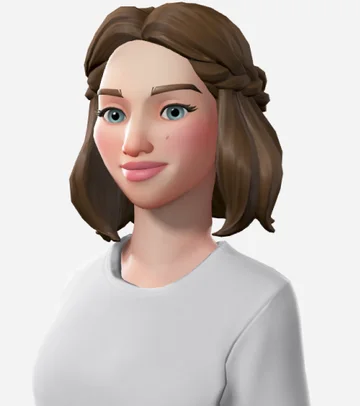
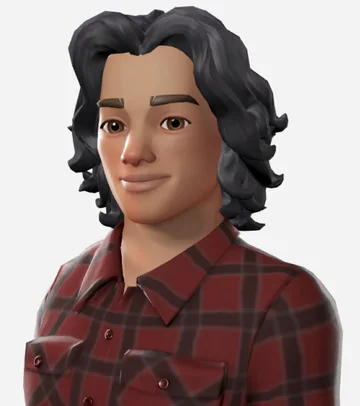
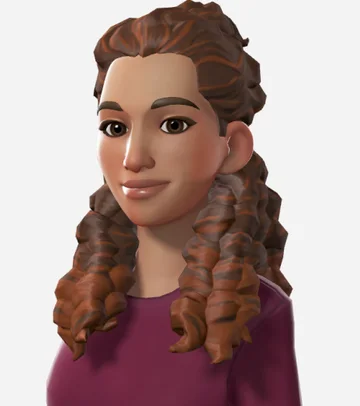
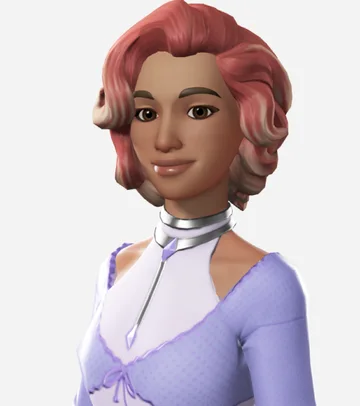
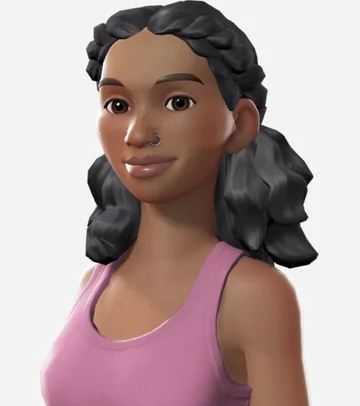
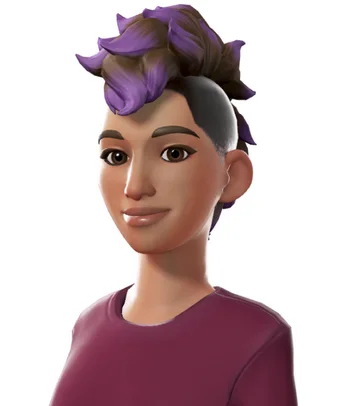
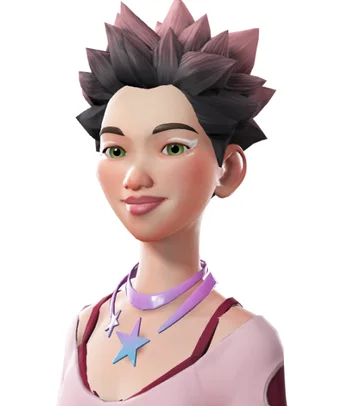
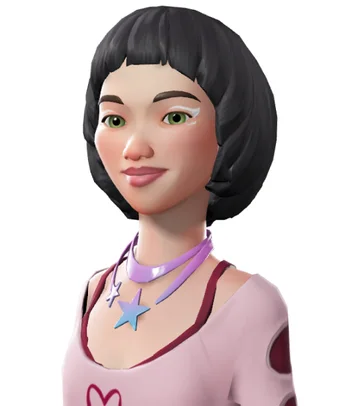
After-launch direction. Post-launch category leadership, which branches into Category delivery and Product exploration.
- Post-launch category leadership
- Category deliveryContinued catalog growth · Review + quality system · Delegated delivery
- Product explorationPaid-category possibilities · Potential asset tiers · Modular production · More user control
Product mindset and future direction
The launch taught me to look beyond raw output and understand the user and product need behind a request. I carried that thinking into the category’s next phase.
How product thinking shaped the next phase
- During launch, mapping turned an asset-count request into a representation-coverage decision grounded in the migration risk.
- After launch, I directed two concept artists exploring paid-category possibilities and potential asset tiers so the Product Manager had concrete visual options to evaluate.
- Small prototypes made feasibility, dependencies, production requirements, and resource needs more concrete.
- Strategy documents separated ongoing delivery from proposed work and clarified cross-functional ownership.
- Two connected directions remained important: more modular production and automation exploration, and more customization and user control.
Outcome
- A reusable production and review approach
- Clearer ownership as the category continued to grow
- Sustained delivery after launch
- A stronger foundation for future variety and user agency
The project changed how I led. I moved from solving individual problems inside the work to creating the direction, structure, and alignment the category needed to launch and grow.
I led a high-stakes creative category through launch by connecting visual direction, technical reality, production systems, and representation-focused product judgment.